
Analysis
Why Mortgage Rates Rose After the Fed’s September Rate Hike
Key takeaways
- The Fed raised the funds rate a quarter point on September 16, 2026, and mortgage rates and Treasury yields have risen since, the opposite of the intended reaction.
- Our view is that the September dot plot, not the hike itself, is driving the move.
- Core inflation has been well behaved. The pressure is coming from oil prices tied to the Iran conflict, which rate hikes cannot fix.
- Buyers have more leverage than they have had in years, with roughly half a million more sellers than buyers nationally.
What happened after the September rate hike?
The last two weeks have not been kind to the Mortgage Backed Securities (MBS) and Treasury bond markets. The Federal Reserve raised the funds rate a quarter point on September 16th, and Chairman Warsh struck a very hawkish tone, saying the focus is fighting inflation. Since then, mortgage rates and Treasury yields have climbed while MBS prices have fallen, the opposite of the intended reaction. An initial tick up would be understandable, but two weeks of steady increases is curious. Our conclusion is that the dot plot is driving it.
What is the Fed dot plot?
The dot plot shows where each Fed participant expects the federal funds rate to be at the end of each of the next several years. It is a projection, not a promise. Because participants include both governors and regional Fed bank presidents, it is a useful read on the committee’s collective thinking.
June’s dot plot: About half of participants showed a hold for this year, with reductions over the following years. The market read that as inflation under control and a move back toward neutral, which means lower borrowing costs for businesses.
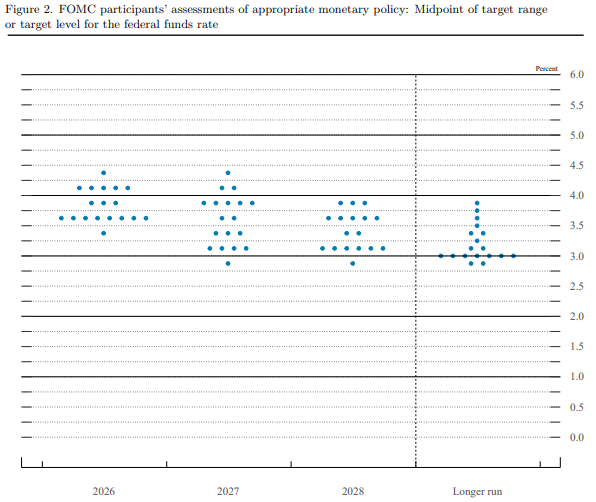
Why is the market reaction puzzling?
Since June, the data (oil aside) has actually improved. Core CPI, which excludes food and energy, was 2.4% year over year in August and has stayed low month over month this year. Core PCE has also run under 3%. The stress is coming from higher oil prices tied to the Iran conflict. Some goods will rise with fuel costs, but many businesses are absorbing it.
September’s dot plot: Released after the hike, it is a sharp about-face. Most participants now project one additional hike this year, which would make two in total counting September. Rates then stay elevated through next year, with cuts not appearing until 2028.
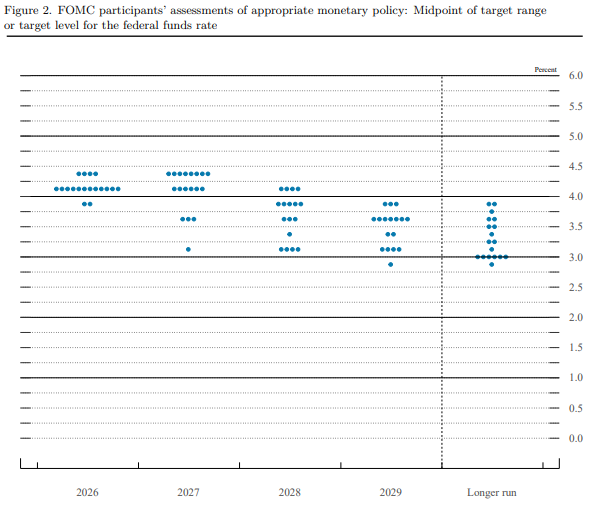
This is what participants project, not what will happen. It is also why we say the funds rate itself matters less than what the Fed says about the path ahead. Right now the message is that inflation will stay higher for longer, so rates will too.
Does a higher funds rate fix an oil-driven problem?
To be fair, the Fed may be worried that energy costs will seep into inflation expectations and core prices. But if the pressure is oil supply, a higher-for-longer funds rate will do nothing to increase global production. Yet yields are rising, MBS prices are falling, and investors are not stepping in.
Have they been spooked into believing inflation will keep rising? Or are they waiting for the midterm elections to pass before re-engaging with a more diversified strategy?
What does this mean for homebuyers?
Whatever markets do next month, the value available to buyers keeps growing. There are roughly half a million more sellers than buyers right now [according to Redfin], and basic economics says that favors buyers. Those willing to look past the rate and focus on the potentially low acquisition cost will be the ones smiling a few years from now.